

Union Budget 2026–27: Developers call for demand sustainability support
India’s real estate developers urge Finance Minister Nirmala Sitharaman to prioritise affordable housing, green construction and tax relief in the Union Budget 2026-27.
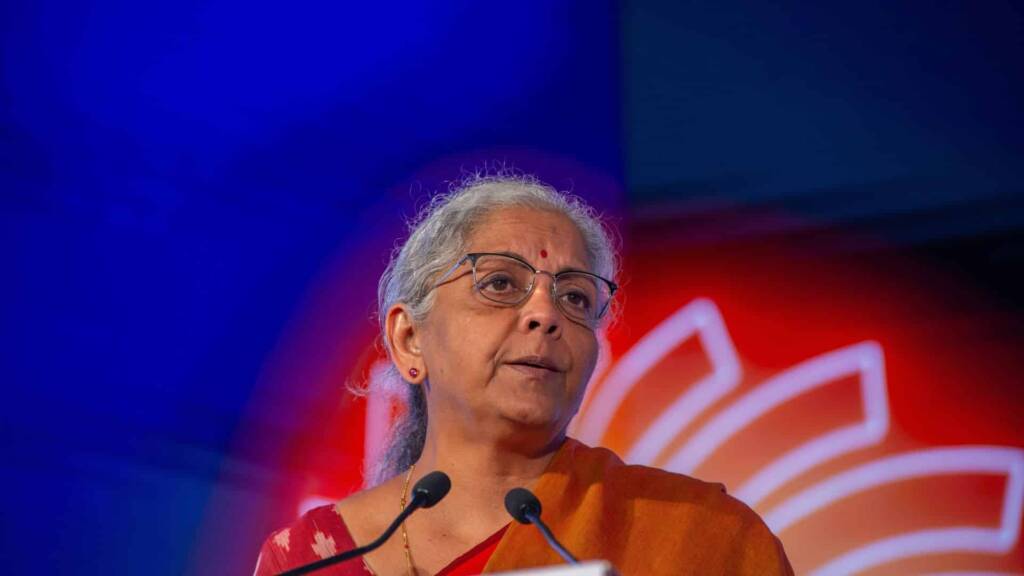
As India approaches the Union Budget 2026-27, the real estate sector stands at a crossroads of opportunity and urgency, with the country’s stalwarts urging for policies that amplify affordability, streamline execution, and cement the sector’s role as an economic powerhouse.
Stating that the real estate sector is a critical driver of economic growth and employment generation, Prashant Sharma, President, NAREDCO Maharashtra advocates for granting infrastructure status to housing especially affordable and mid-income segments to slash borrowing costs and boost institutional finance. This push for end-user empowerment resonates widely. The chairman of The Guardians Real Estate Advisory, Kaushal Agarwal highlights the market’s resilience amid steady urban sales, pressing for calibrated tax relief, stamp duty cuts, and clarity on under-construction property levies to draw first-time buyers.
Developers echo demands for operational ease and sustainability as well. The managing director of Superb Realty seeks infrastructure status, affordable financing, and GST clarity to counter rising costs, with a spotlight on commercial spaces featuring green certifications, smart tech, and employee-centric designs. Similarly, Srishti Group appeals the FM to provide for interest subsidies, single-window clearances, and sanctioning of more projects like the Goregaon-Mulund Link Road to enhance accessibility and micro-markets.
Given below is a collection of leading voices from India’s real estate sector calling for attention of the Finance Minister, Nirmala Sitharaman. Read the expectations of these industry players about Union Budget 2026-27 and share your thoughts on this subject.
Shashank Agarwal, Joint Managing Director, Salasar Techno Engineering
“India’s infrastructure build-out is central to unlocking productivity, improving logistics efficiency, and converting our population dividend into an economic advantage. As we look to the upcoming Union Budget, Salasar Techno Engineering Ltd. expects a continued and sustained thrust on public capex with multi-year predictability, because long-cycle infrastructure requires stable pipelines not one-time spikes in spending.
While investments in railways, airports and ports are important, the next phase must prioritise roads and urban mobility at scale: decongesting cities, improving traffic flow, building stronger inter-city corridors, and ensuring last-mile connectivity. Faster and safer movement of people and goods is the most direct lever to raise national efficiency and reduce logistics costs.
We also expect ongoing support for power infrastructure, particularly transmission and distribution upgrades, grid resilience, and renewable integration—along with measures that improve execution: streamlined approvals, quicker dispute resolution, standardised contract frameworks, and timely release of payments to keep the sector’s working capital healthy.
On telecom and digital infrastructure, recent clarity in public tenders has been helpful. However, we believe the sector now needs clearer visibility on private-side expansion and enabling policies that strengthen competitiveness. A healthier competitive landscape across telecom services as well as tower infrastructure—will support innovation, resilience and affordability for consumers. Simplifying Right-of-Way, accelerating fibre densification, and ensuring faster rollouts in both urban and rural India should remain key priorities.
Overall, we look to the Budget for a practical, execution-focused roadmap that keeps India’s infrastructure growth on a high trajectory for several years to come.”
Posted On
- Manufacturing Today